--- Rose Tattoo Meaning & Symbolism | InkFlow

TATTOO MEANINGS / FLOWERS

Rose Tattoo Meaning

Love, passion, beauty, strength through pain, remembrance

Origin: Greek, Roman, Christian, Victorian

A rose tattoo is, first and foremost, a symbol of love — but its meaning runs far deeper than romance. Across cultures the rose reads as passion and devotion (red), grief and rebirth (black), friendship (yellow), and purity (white). The flower's thorns are the other half of the story: beauty paired with pain, love guarded by a boundary, growth earned through hardship. That duality is why the rose is the most requested tattoo in the world — it holds the contradictions we all carry. The sections below break down the color languages, the thorn symbolism, the stages of bloom, and the combinations wearers pair with a rose, so the design actually reflects your intent rather than a generic flower.

🌹

Rose Tattoo Cultural Significance

In Greek myth the rose is tied to Aphrodite, goddess of love, and to the youth Adonis — after his death she wept, and the red rose is said to have sprung from her grief (World History Encyclopedia). The Romans hung roses above meeting tables; sub rosa ("under the rose") still means a secret kept in confidence. In Christian iconography the rose is linked to the Virgin Mary (the "Mystical Rose") and to martyrdom — red roses as the blood of saints — while a medieval legend held that roses grew without thorns in the Garden of Eden. The Victorians turned the flower into a full vocabulary: floriography assigned each color and arrangement a precise meaning, letting people send feelings they could not speak aloud.

Rose Color Meanings

The color you choose does most of the symbolic work. Red roses mean passionate love, romance, and devotion — or, in a memorial context, tribute to someone lost. Pink roses soften that to grace, admiration, and first love. White roses signal purity, innocence, and new beginnings, often chosen for anniversaries or fresh starts. Yellow roses represent friendship, joy, and platonic love — never romance, which is the most common mix-up. Black roses read as grief, loss, and mystery, but also rebirth after hardship; they are a frequent memorial choice. Blue roses (which do not exist in nature) stand for the unattainable and the unique, while purple roses suggest enchantment, royalty, and quiet admiration. Pick the shade that matches the feeling you are actually marking.

The Rose and Its Thorns: Beauty Paired with Pain

A rose without thorns is not a rose. The prickles — botanically stem prickles, not true thorns — are the plant's defense, and tattoo wearers adopt that exact contrast on purpose. A rose with thorns says you know beauty costs something: love that survived betrayal, strength earned through illness or loss, softness that learned to protect itself. This is the single most common reason people choose the design over a generic flower — the thorn is the part that makes it honest. As Britannica notes, the rose's prickles evolved to deter animals, a literal boundary that became one of tattooing's oldest metaphors for guarded love.

Rosebud, Full Bloom, Wilted: What the Stage Means

The stage of the flower changes the meaning. A rosebud symbolizes youth, potential, and new beginnings — love not yet unfolded. A full-blown rose marks maturity, achievement, and a life at its peak; wearers often choose it to mark a milestone they have actually reached. A wilted or falling-petal rose points the other way: loss, a relationship that ended, or acceptance of life's transience. Choosing the stage is a quiet way to timestamp the feeling — begin, peak, or let-go — without writing a date on your skin.

Rose Tattoo Combinations and What They Add

Most rose tattoos are not alone. A rose and skull sets beauty against death — a memento mori about living fully. A rose and clock freezes love against time, often a tribute to a moment or a person. A rose and dagger reads as protection and danger, resilience through what tried to hurt you. A rose and heart doubles down on romantic devotion, while a rose and cross layers earthly passion with faith. A compass rose points to love as true north. Each addition is a second word in the sentence — pick the one that completes your meaning rather than merely decorating the first.

Rose Tattoo Styles: From American Traditional to Fine Line

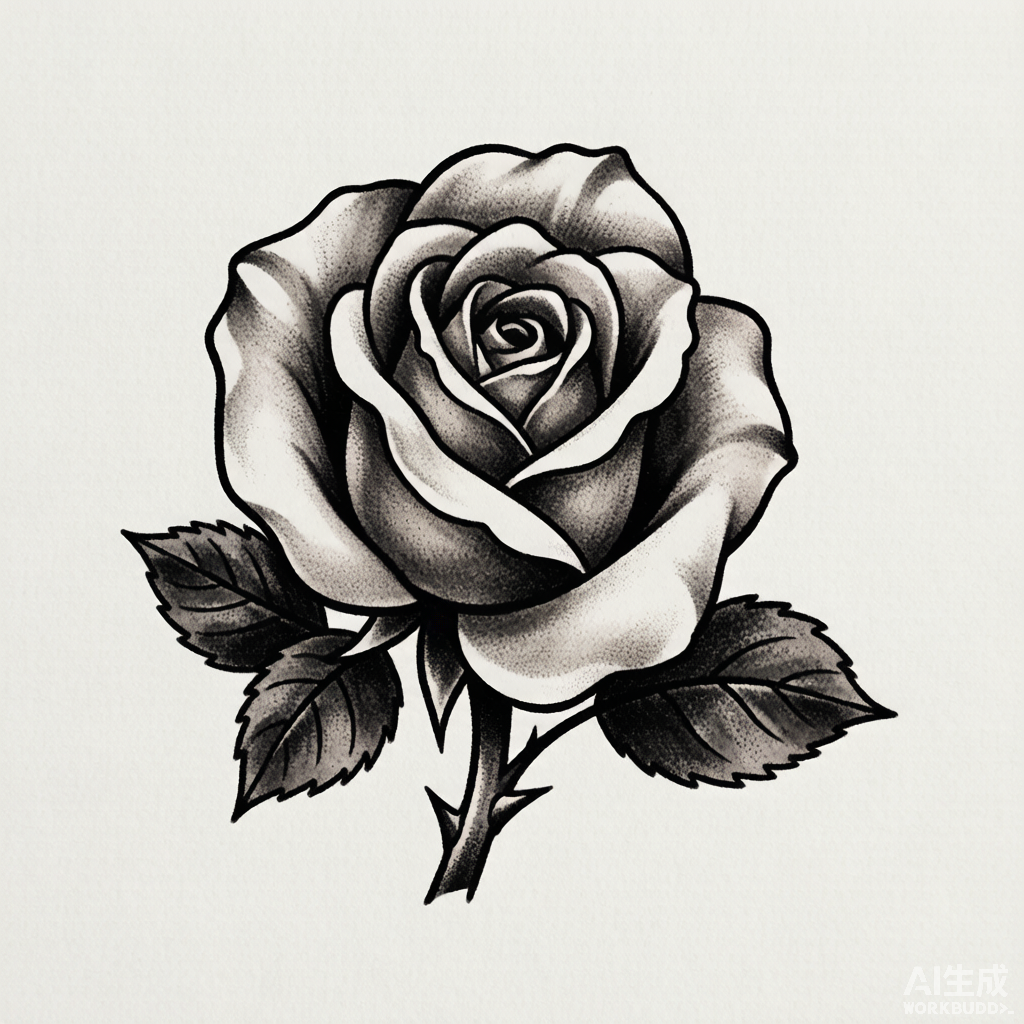
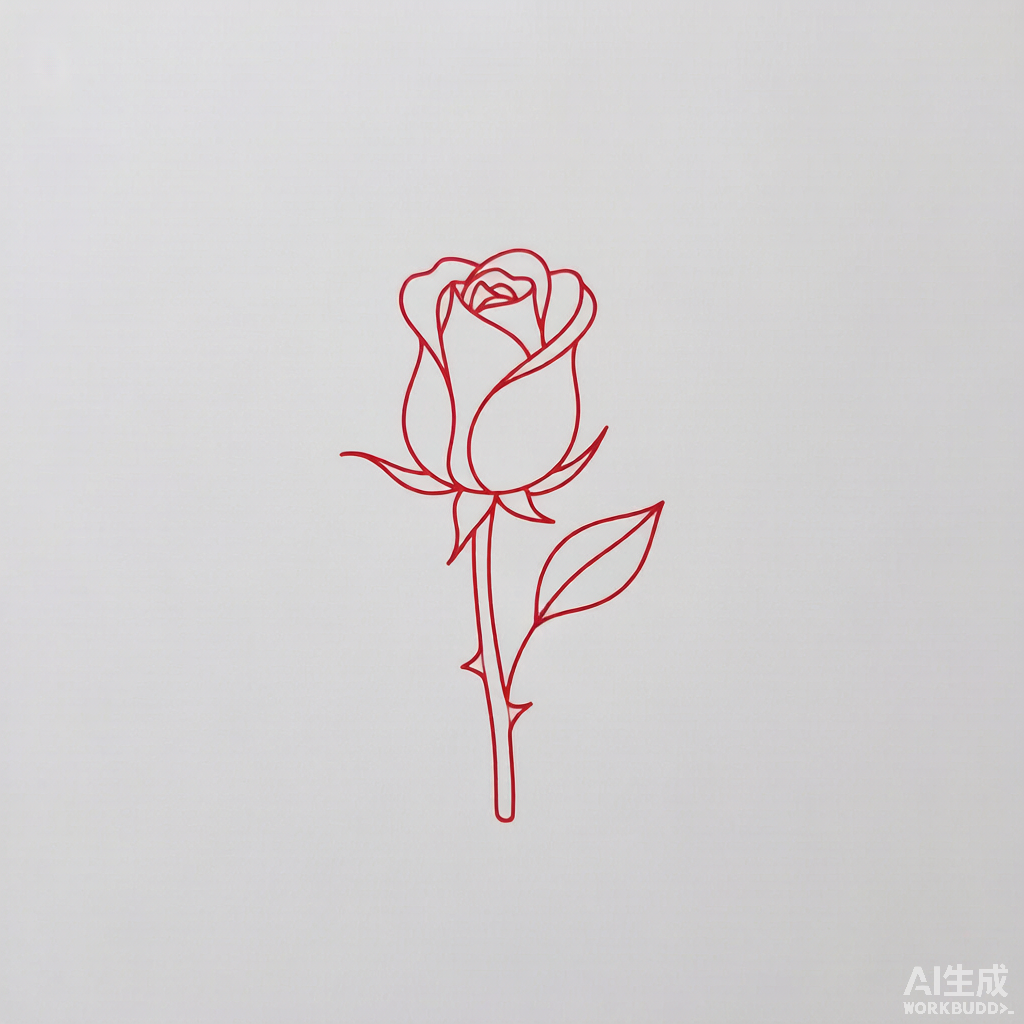
The style changes how the meaning lands. American traditional — bold black outline, limited red and green palette — reads as classic and timeless, the sailor's rose. Realism and black-and-grey make it photographic and emotional, well suited to memorial portraits. Fine-line and single-needle roses feel delicate and contemporary, popular for first tattoos and subtle placements. Watercolor roses trade precision for feeling — soft, artistic, personal. Blackwork and geometric roses suit wearers who want structure and contrast. Talk to your artist about which style matches the story; a meaning that matters deserves a hand that fits it.

Popular Rose Tattoo Variations

red rose

black rose

rosebud

rose and skull

rose and clock

rose and dagger

rose and heart

rose and cross

compass rose

rose vine

tribal rose

fine-line rose

Sources

Related Rose Designs

Explore Rose tattoo variations and related designs.

More Flowers Meanings

Related Tools & Resources

Find, price, and book the design you're exploring.

Frequently Asked Questions

What does a Rose tattoo symbolize?

Rose tattoos symbolize love, passion, beauty, strength through pain, remembrance. A rose tattoo is, first and foremost, a symbol of love — but its meaning runs far deeper than romance. Across cultures the rose reads as passion and devotion (red), grief and rebirth (black), friendship (yellow), and purity (white). The flower's thorns are the other half of the story: beauty paired with pain, love guarded by a boundary, growth earned through hardship. That duality is why the rose is the most requested tattoo in the world — it holds the contradictions we all carry. The sections below break down the color languages, the thorn symbolism, the stages of bloom, and the combinations wearers pair with a rose, so the design actually reflects your intent rather than a generic flower.

Where did Rose tattoos originate?

Rose tattoo imagery traces back to Greek, Roman, Christian, Victorian. A rose tattoo is, first and foremost, a symbol of love — but its meaning runs far deeper than romance. Across cultures the rose reads as passion and devotion (red), grief and rebirth (black), friendship (yellow), and purity (white). The flower's thorns are the other half of the story: beauty paired with pain, love guarded by a boundary, growth earned through hardship. That duality is why the rose is the most requested tattoo in the world — it holds the contradictions we all carry. The sections below break down the color languages, the thorn symbolism, the stages of bloom, and the combinations wearers pair with a rose, so the design actually reflects your intent rather than a generic flower.

What is the cultural significance of Rose tattoos?

In Greek myth the rose is tied to Aphrodite, goddess of love, and to the youth Adonis — after his death she wept, and the red rose is said to have sprung from her grief (World History Encyclopedia). The Romans hung roses above meeting tables; sub rosa ("under the rose") still means a secret kept in confidence. In Christian iconography the rose is linked to the Virgin Mary (the "Mystical Rose") and to martyrdom — red roses as the blood of saints — while a medieval legend held that roses grew without thorns in the Garden of Eden. The Victorians turned the flower into a full vocabulary: floriography assigned each color and arrangement a precise meaning, letting people send feelings they could not speak aloud.

What does a rose tattoo mean?

At its core a rose tattoo means love — but the fuller answer is duality: beauty paired with pain, passion guarded by a boundary. Red roses read as passionate love, black as grief and rebirth, yellow as friendship, white as purity and new beginnings. The thorn is the honest part: softness that learned to protect itself. Most wearers choose it because it holds contradictions we all carry.

What does a black rose tattoo mean?

A black rose tattoo means grief, loss, and mystery — but also rebirth after hardship. It is one of the most common memorial choices, marking someone lost or a chapter that ended. It is not "evil"; in tattoo vocabulary black is the color of transition, the space after an ending and before whatever comes next.

What does a red rose tattoo symbolize?

A red rose tattoo symbolizes passionate love, romance, and devotion. In a memorial context it can also be tribute — red as the blood of saints in Christian symbolism, or simply the color of the heart. It is the single most requested rose color and the safest read of "I love deeply."

What does a rose and skull tattoo mean?

A rose and skull sets beauty against death — a memento mori that says live fully because life is brief. The rose is the love or beauty worth protecting; the skull is the clock none of us beat. It is popular as a reminder to hold what matters while you have it.

What does a rosebud vs a full-bloom rose tattoo mean?

The stage timestamps the feeling. A rosebud means youth, potential, and new beginnings — love not yet unfolded. A full-blown rose means maturity, achievement, and a life at its peak, often chosen to mark a milestone actually reached. A wilted rose points the other way: loss or acceptance of life's transience.

Where is the best place to get a rose tattoo?

Placement follows size and style. A small fine-line rose suits the wrist, ankle, or behind the ear; a detailed realistic or traditional rose needs the forearm, shoulder, thigh, or back for room. Couples often choose the chest or inner arm for intimacy. Talk to your artist — the right canvas makes the meaning readable at a glance.

What does a rose and clock tattoo mean?

A rose and clock freezes love against time — often a tribute to a specific moment, a person, or the simple resolve to cherish what you have. The clock adds mortality; the rose adds why it was worth having. Together they read as "love, but aware."
Find Your Perfect Tattoo Design

Get matched with the right meaning and style for your next tattoo.

Start Your Studio Free →

A Note on Cultural Respect

Tattoo meanings are shaped by culture, history, and personal story — they are not universal or fixed. Sacred designs (e.g. Polynesian tatau, Indigenous, or religious iconography) carry deep meaning for the communities who created them; we share this for education and ask that you research and respect their origins before wearing them. This guide is not a substitute for cultural consultation.

See also our Color & Style Meaning Guide for how color and technique change a design's meaning.

EEAT: Written by Sarah Chen (Founder & CEO at InkFlow | 12 Years Tattoo Studio Operations). Cultural and historical information is sourced from academic references and is provided for educational purposes. Meanings vary across traditions and interpretations.